








New York, Amerika Serikat — MediaViral.net
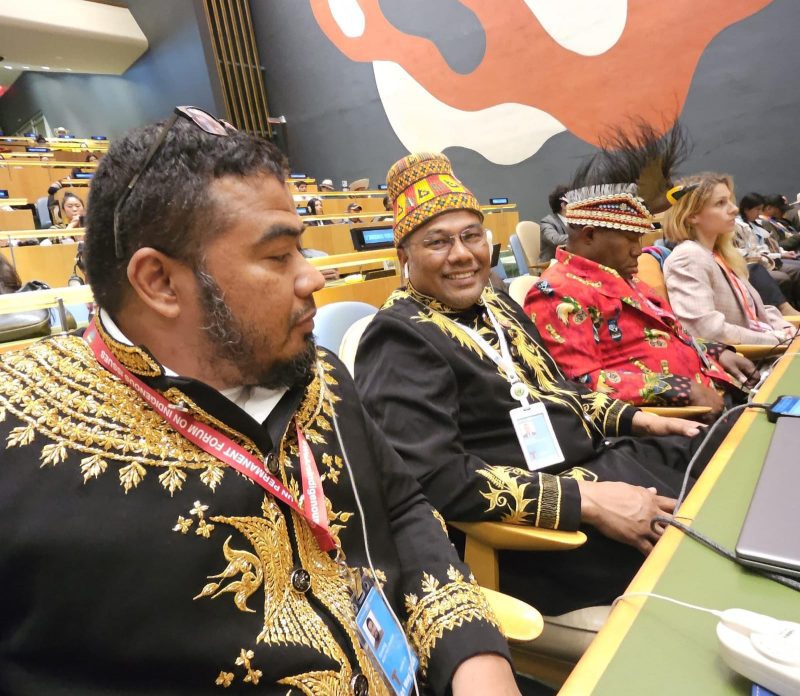
The 25th session of the United Nations Permanent Forum on Indigenous Issues officially opened on 20 April at the headquarters of the United Nations, bringing together delegates from around the world amid growing concern over the condition of Indigenous communities.
The meeting will run until 1 May and focuses on the health of Indigenous Peoples, particularly in conflict-affected areas. The issue has become increasingly urgent as wars, environmental pressures, and economic challenges continue to impact vulnerable populations.

Opening the session, Mary Simon emphasized that Indigenous rights must be treated as a central element of global policy rather than a secondary concern.
“The protection of Indigenous Peoples is a foundation of sustainable global justice,” she said.
Her remarks reflect a broader shift in how Indigenous voices are recognized internationally, with growing emphasis on meaningful participation in decision-making rather than symbolic representation.
The forum gathers governments, Indigenous leaders, and international organizations to address key issues such as healthcare, education, land rights, and cultural protection.
Indigenous communities, estimated at more than 370 million people worldwide, continue to face disproportionate challenges. In many regions, they are among those most affected by climate change, conflict, and limited access to basic services—despite their vital role in protecting ecosystems.
The discussions also resonate in countries such as Indonesia, where local realities mirror broader global patterns. In Aceh, traditional systems continue to support social stability and community-based development, particularly in the post-conflict period. Meanwhile, in Papua, Indigenous issues remain complex, especially regarding land rights, development, and social conditions, drawing continued international attention.
From Aceh, community figure Tgk Fajri Kreung stated that strengthening customary institutions is essential for maintaining justice and long-term stability. He added that global-level discussions should produce practical outcomes that are directly felt by communities.
This year’s session is widely seen as more than just a platform for dialogue. Expectations are rising that governments and institutions will move beyond statements and deliver measurable results.
The key question now is not whether these challenges are understood, but whether meaningful action will follow.
The session reflects a broader reality: Indigenous Peoples are no longer on the margins of global discourse. From the Arctic to Papua, their future is closely tied to issues of fairness, sustainability, and political responsibility.
What remains uncertain is whether commitments made at the global level will translate into real change on the ground—or remain part of a continuing cycle of promises without delivery. (mediaviral.net)